June 23, 2026
Professional frame alignment is crucial for ensuring the safety and efficiency of vehicles, especially after collision damage that requires auto body repair. Misalignment not only poses a significant safety risk, but it also can degrade a vehicle's performance and lifespan. Understanding the details involved in frame alignment can help vehicle owners recognize its importance. Furthermore, with the right alignment, a vehicle maintains its structural integrity and drives smoothly, providing better protection for its occupants. Therefore, regular professional assessments are key in maintaining safety standards and prolonging a vehicle's life.
Understanding Vehicle Frame Alignment
Definition and Purpose
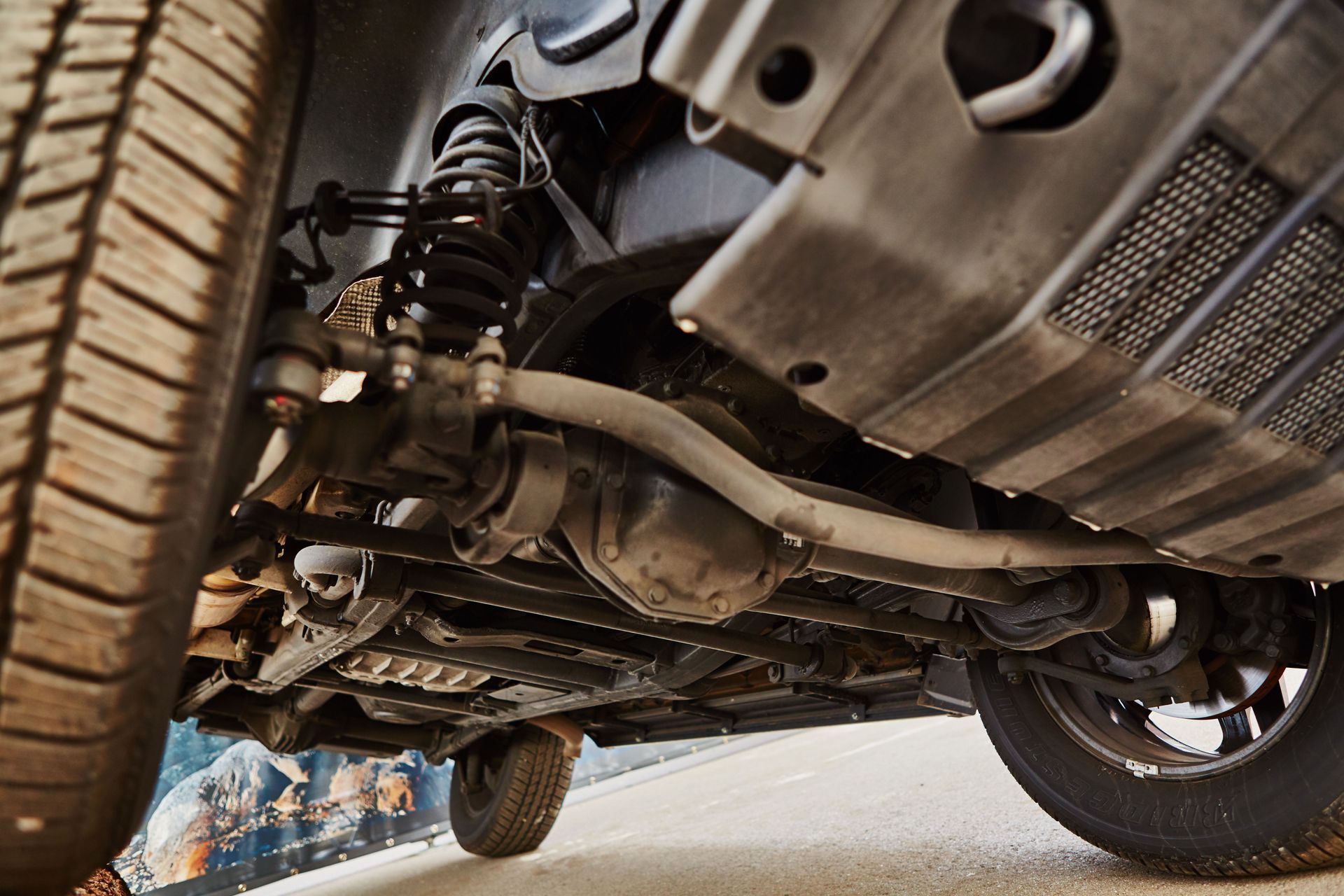
Vehicle frame alignment refers to the precise configuration of a vehicle's structural components to their original settings. Proper alignment ensures that all parts fit together harmoniously, offering optimal vehicle performance. The primary purpose of frame alignment is to support safety and performance, preventing abnormal wear and tear on tires and suspension systems. During auto body repair, frame alignment helps restore the vehicle’s structure after impact damage. Without correct alignment, a vehicle can experience increased fuel consumption, diminished handling, and safety hazards.
Types of Frame Misalignments
Frame misalignments typically fall into several categories, each presenting unique challenges. A bent frame, for instance, can skew the entire structure, affecting wheel alignment and overall stability. A sagging frame occurs due to partial collapses and can lead to a range of drivability issues. Additionally, twisted frames are another type of alignment problem, resulting in asymmetrical distortions that compromise safety. Recognizing these types helps owners address misalignment problems promptly before they escalate.
Common Causes of Misalignments
Frame misalignments can be traced back to various origins, often emerging after significant stress encounters. Collisions are the most frequent cause, as even minor accidents can displace a vehicle's frame and lead to the need for auto body repair. Additionally, harsh driving conditions or hitting large potholes can lead to misalignment over time. Regular wear and tear, or failure to perform routine maintenance, can ultimately worsen these conditions. Awareness of these causes underscores the necessity for regular inspection and timely intervention.
Impact of Frame Alignment on Vehicle Safety
Structural Integrity Concerns
A properly aligned frame is integral to maintaining a vehicle’s structural integrity. Misalignment can lead to stress on the vehicle’s chassis, diminishing its ability to withstand impacts effectively. Over time, these stress points can lead to metal fatigue, increasing the likelihood of structural failure during an accident. Furthermore, compromised structural integrity can affect how the vehicle performs in a crash, endangering occupants. Therefore, professional alignment during auto body repair preserves the vehicle’s ability to protect its passengers through its intended structural engineering.
Consequences for Occupant Protection Systems
Occupant protection systems, including airbags and seatbelts, rely on precise alignment to function effectively. Misalignment that leads to deformed frames can interfere with the deployment of these critical safety mechanisms. In an accident, a poorly aligned frame might impair airbag sensors, leading to delayed or inadequate airbag deployment. Likewise, seatbelt tensioners may not function optimally, reducing their efficacy in restraining passengers. Proper auto body repair helps secure the appropriate functioning of these systems, which is vital for occupant safety.
Preventing Tire and Suspension System Damage
Frame alignment is instrumental in preventing undue wear and tear on tires and suspension systems. Misalignments result in uneven tire wear, reducing tire lifespan and necessitating premature replacements. Similarly, stress on the suspension system from misalignment can lead to costly repairs and replacements. According to Sharp Sheets, over 75% of Americans use an auto repair service at least once per year, underscoring the prevalent need for maintenance. By addressing frame alignment proactively, vehicle owners can reduce these common issues, ensuring longer tire and suspension life.
Diagnostic Process for Frame Alignment
Initial Visual Inspection
The diagnostic process for frame alignment begins with a thorough visual inspection. Technicians scrutinize the vehicle’s body for signs of misalignment, such as irregular gaps between panels or visible bends. This initial assessment provides insights into potential problem areas requiring more in-depth investigation. Moreover, technicians can identify any parts needing immediate attention, supporting a comprehensive approach to alignment issues. This step sets the foundation for further diagnostic measures, confirming the need for exact realignment procedures.
Use of Alignment Racks and Laser Technology
Following a visual inspection, alignment racks and laser technology are employed to assess the vehicle's frame thoroughly. These tools allow technicians to measure precise discrepancies in the alignment and identify deviations from the manufacturer’s specifications. Laser alignment systems provide real-time data, supporting accurate and effective analysis of the frame condition. This technology minimizes errors and enhances the precision of diagnostic processes, which is vital for effective realignment. By using such advanced tools, automotive professionals ensure that every aspect of the frame is correctly evaluated before corrective action is taken.
Planning the Repair Process
After understanding the misalignment details, technicians plan the required repair process efficiently. This phase involves organizing resources, setting timelines, and determining the optimal alignment strategies for effective repairs. Technicians prioritize alignment tasks to align with safety regulations and performance standards. Additionally, by outlining a detailed plan, they can give customers timely service and transparent repair methods. Planning is instrumental in making sure all frame alignment tasks are executed smoothly and professionally.
Benefits of Professional Frame Alignment
Enhanced Safety and Protection
Professional frame alignment offers heightened safety and protection, crucial for passenger and pedestrian well-being. By maintaining accurate alignment, the vehicle is better equipped to avert accidents through improved handling and reduced wear on critical components. Proper alignment helps the vehicle's safety systems, such as airbags and seatbelts, function optimally during collisions. This focus on safety highlights the essential role of professional alignment in automotive care. Through structured auto body repair services, drivers can confidently rely on their vehicles to offer stronger protection.
Improved Vehicle Performance and Efficiency
Optimal frame alignment significantly contributes to improved vehicle performance and efficiency. By aligning structural components correctly, vehicles achieve smoother rides and enhanced driving responsiveness. Such precision minimizes unnecessary friction and wear, leading to more efficient engine output and fuel consumption. Aligned frames lessen stress on tires and suspension systems, further promoting efficient energy use and reducing emissions. This enhanced performance supports both vehicle longevity and responsible maintenance.
Extending the Lifespan of Vehicle Components
Precise frame alignment contributes to extending the lifespan of various vehicle components, notably tires and suspension parts. Aligned frames support even weight distribution, reducing stress on wheels, axles, and related segments. Longer-lasting components reflect minimized wear, resulting in fewer replacements and maintenance demands. Additionally, well-maintained vehicles retain their structure and function efficiently, elevating overall durability. Prolonged component life enables car owners to enjoy a smoother, more economical driving experience.
Boosting Resale Value
Maintaining professional frame alignment plays a vital role in sustaining a vehicle's resale value. Prospective buyers often evaluate maintenance records, including alignment history, as indicators of a vehicle's overall condition. A well-documented alignment history reassures buyers about the vehicle's structural integrity and aesthetic appeal. Furthermore, vehicles with maintained alignment demonstrate better performance and fewer defects, enhancing sale prospects. By preserving alignment standards through auto body repair, owners can optimize their vehicle's attractiveness to potential buyers.
Professional frame alignment plays an indispensable role in restoring and maintaining a vehicle's safety, performance, and longevity. Thorough diagnostics and realignment procedures underscore alignment's significance in upholding vehicle integrity and safety standards. Through professional auto body repair, vehicle owners secure enhanced protection, performance efficiency, and long-term cost savings. Selecting reliable alignment services with skilled technicians supports optimal outcomes, safeguarding vehicles and preserving their value. Consequently, investing in professional frame alignment represents a core aspect of responsible vehicle ownership and maintenance. Automotive Reflections is here to help. Call us today for more!